
Beef tallow is rendered beef fat. It's a rich, simple moisturizer that can help dry skin hold on to water, and some people love it. But the research on tallow for skin is thin, many of the online claims are overblown, and it can clog pores for people who are breakout-prone. If you try it, patch test first and start on dry areas like hands, elbows and heels.
I get asked about beef tallow more than almost anything right now. Living on a farm, animal fats aren't exotic to us. People have used them on skin and in soap for a very long time. So here's my honest take, without the hype in either direction.
What beef tallow actually is
Tallow is the fat from cattle, usually the hard fat around the kidneys (called suet), slowly melted down and strained. Once it cools, it's a creamy, off-white solid. Skincare tallow is often whipped, sometimes with a little oil or essential oil mixed in to make it softer and easier to spread.
Why people like it
- It's very moisturizing. Tallow is mostly fats like oleic, palmitic and stearic acid. Those are similar to some of the fats your skin makes on its own, which is why it tends to sink in and feel comfortable rather than greasy.
- It seals moisture in. Like other rich balms, it forms a light layer on the skin that slows down water loss. That's what dry, tight skin needs most.
- The ingredient list is short. A plain tallow balm can have one or two ingredients. If you're tired of long labels, that's appealing.
What's hype
- "It's packed with vitamins." Tallow does contain some fat-soluble vitamins (A, D, E and K), but the amounts are small and vary a lot from batch to batch. It's a moisturizer, not a vitamin treatment.
- "It fixes every skin problem." There's very little research on tallow skincare specifically. Most of what you see online is personal stories, not studies.
- "Grass-fed means it's magic." Grass-fed tallow may have a slightly better fat profile, and it's a nice choice for other reasons, but it doesn't turn a moisturizer into a miracle.
Who should be careful
- Breakout-prone or very oily skin. Rich fats can clog pores for some people. If your face breaks out easily, try tallow on your body first, or skip it on your face.
- Anyone sensitive to fragrance. Many tallow balms add essential oils to cover the natural smell. Look for unscented if fragrance bothers you.
- Vegetarians and vegans, for obvious reasons. Shea butter and cocoa butter are good plant-based balms with a similar rich feel.
Tallow in soap vs. tallow balm
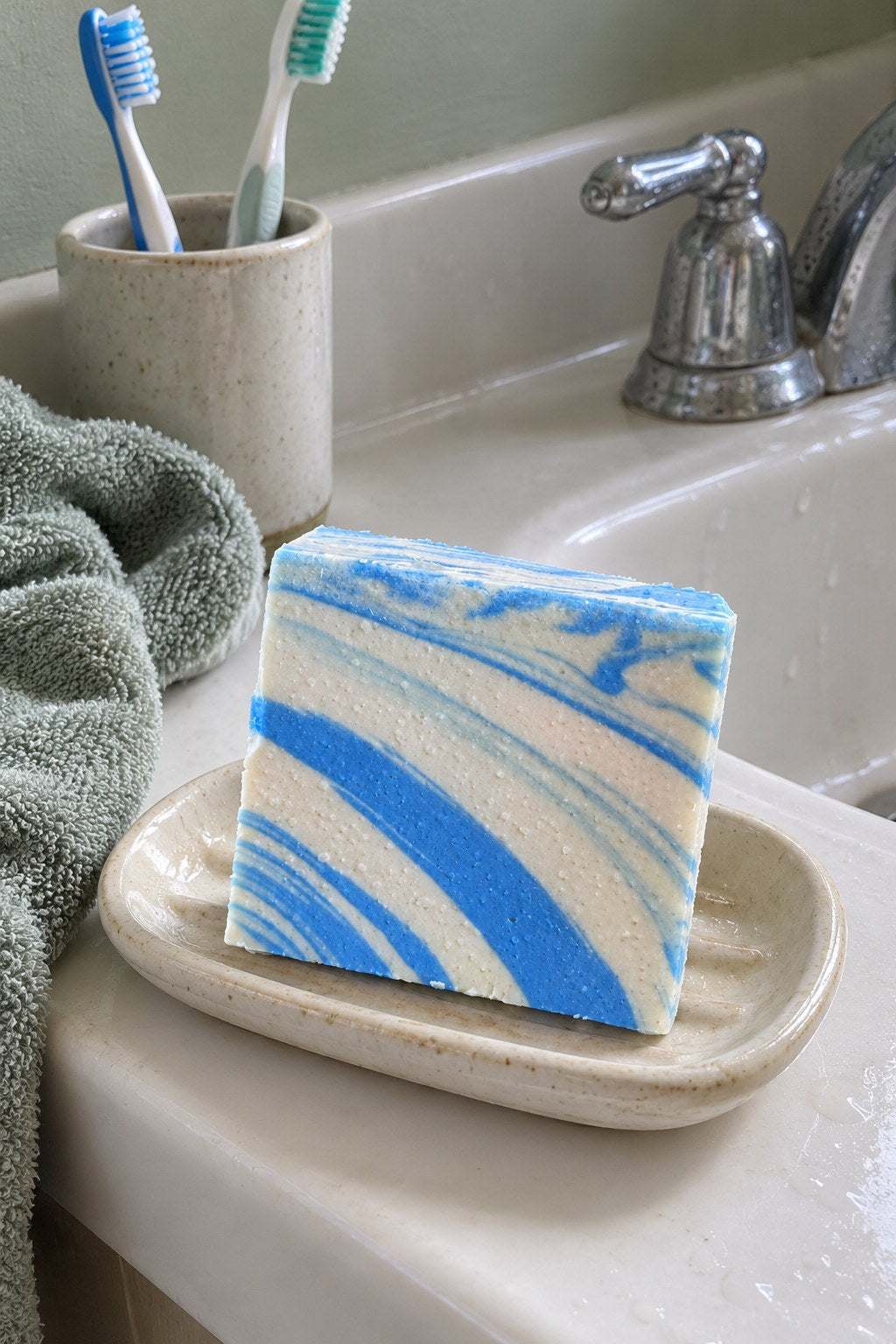
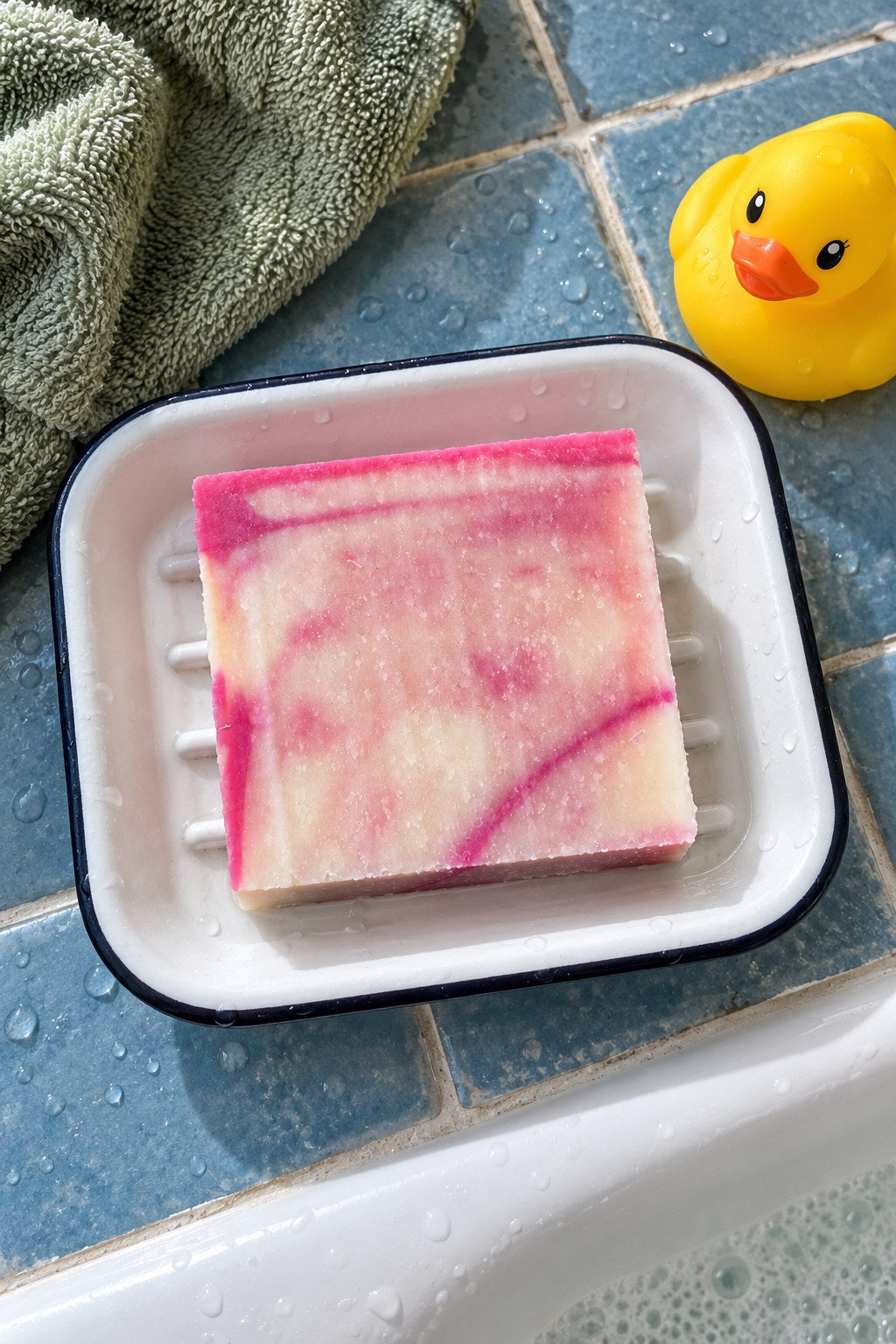
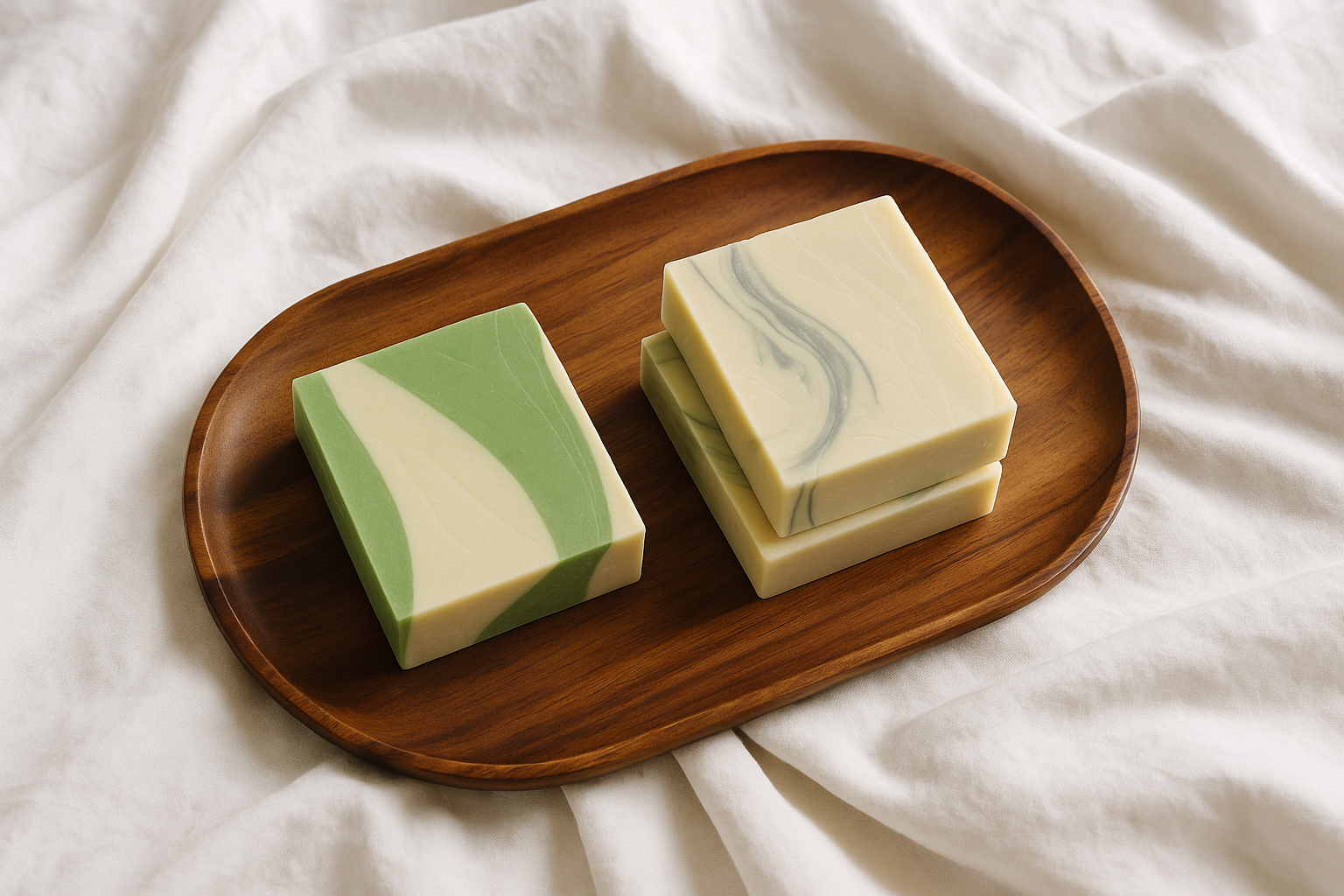
This is the part most people don't know. Tallow has been used in soap making for centuries. But in soap, the fat goes through a chemical change called saponification and becomes soap. So a tallow soap cleans, while a tallow balm moisturizes. They do very different jobs, even though they start with the same fat.
How to try it
- Patch test. Rub a small amount on the inside of your forearm once a day for 3 days. No redness, itching or bumps? You're good.
- Start with dry spots. Hands, elbows, knees, heels and shins are perfect places to try it.
- Use a tiny amount. A pea-size bit warmed between your fingers goes a long way.
- Put it on damp skin. Right after a shower, while your skin is still a little damp, to lock that water in.
- Buy from someone who renders it well. Good tallow smells clean and mild. A strong, beefy smell means it wasn't rendered or stored well.
And remember the other half of the equation. A rich moisturizer can only do so much if your soap is stripping your skin every day. Gentle washing plus a good moisturizer on damp skin is what really makes the difference.

What we use in our house
The Routine
Goat’s-milk body bars with no SLS, plus a face bar and a shampoo bar. Handmade on our farm in small batches.
See the Routine →
Lauren Stewart makes Tyme Soap by hand on our family farm in Idaho, with milk from our own goats.