
tyme

Skin Care

Those tiny dark dots on your legs after shaving have a name. Here's what causes strawberry legs and the simple shaving and skin-care habits dermatologists suggest.
It feels like a summer thing, but UVA rays stay steady all year, clouds let most UV through, and snow bounces it back at you. Here is why dermatologists say to wear sunscreen in winter, what kind to use and how to fit it into a dry-skin routine.
Are hot showers bad for your skin, and are cold showers really better? What dermatologists say, where the cold-shower hype gets ahead of the evidence, and the simple shower habits that keep skin comfortable all winter.
Niacinamide is on half the labels in the skin care aisle. Here is what this gentle form of vitamin B3 actually does, who it suits, what percentage to look for and how to use it with vitamin C and retinol.

Why you sweat a little more at first when you switch to an aluminum-free deodorant, how long it takes to settle in, and simple tips to make it easier.

Vitamin C serum is one of the few trendy ingredients with real research behind it. Here is what it does, which kind to look for, when to put it on and how long it takes to see a difference.
Retinol works for a lot of people and leaves a lot of others red and peeling. Here is what a retinol alternative is, what the research says about bakuchiol and newer plant options, and who might like one.
Do you really need to shower every day? For most people, a few times a week to once a day is plenty. Here is what to wash daily, the signs you're overdoing it, and how to shower so your skin stays comfortable.
Dry skin is short on oil; dehydrated skin is short on water. Here is how to tell which one you have (oily-but-tight is a big clue), what causes each, and the simple changes that help both.
Twice a day is the usual answer, but dry, oily and sensitive skin each do a little better with their own rhythm. Here is how often to wash, how to tell if you are overdoing it, and the gentle way to do it.
Peptides are on every serum label right now. Here is what they actually are, the four kinds and what each one does, what the research really shows, and whether you need them at all.
Hyaluronic acid is on every label. Here is what it actually does for your skin, why it works best on damp skin under a moisturizer, and whether you really need it.
Dry, itchy skin after every shower? Here is what to look for in a body wash for dry skin, what to skip, and the simple shower habits dermatologists say matter even more.
Dark spots from old breakouts, sun or hormones can take months to fade. Here is what actually helps them along: daily sunscreen, the ingredients dermatologists point to, and what to skip.
If your moisturizer never seems to keep up, the fix usually isn't a new brand. Here's which ingredients actually help dry skin, cream vs. lotion vs. ointment, and the timing trick most people skip.
Exfoliating can leave your skin smooth and soft, or red and raw. Here's how to choose a method, how often to do it, and the mistakes to avoid.
If your face feels tight after washing, your cleanser is probably the problem. Here's what to look for in a face wash for dry skin, what to avoid, and how to wash.
Beef tallow is all over social media right now. Here's what it can do for skin, what's hype, who should skip it, and how to try it safely.
The simple daily routine I give friends when they ask what to do about their skin. Five minutes a day, most of it free.
Thinking about trying a shampoo bar? Here's exactly how to use one, why your hair might feel a little different at first, and how to make it last.
Those small, rough bumps on the backs of your arms have a name: keratosis pilaris. It's harmless and very common. Here's what causes it and what helps.
Double cleansing sounds fussy, but it's simple: an oil cleanser first, then a gentle wash. Here's how to do it and who actually benefits.
You don't need a 12-step routine to have healthy skin. Here are the four steps that matter, how to do each one, and how long to give it.
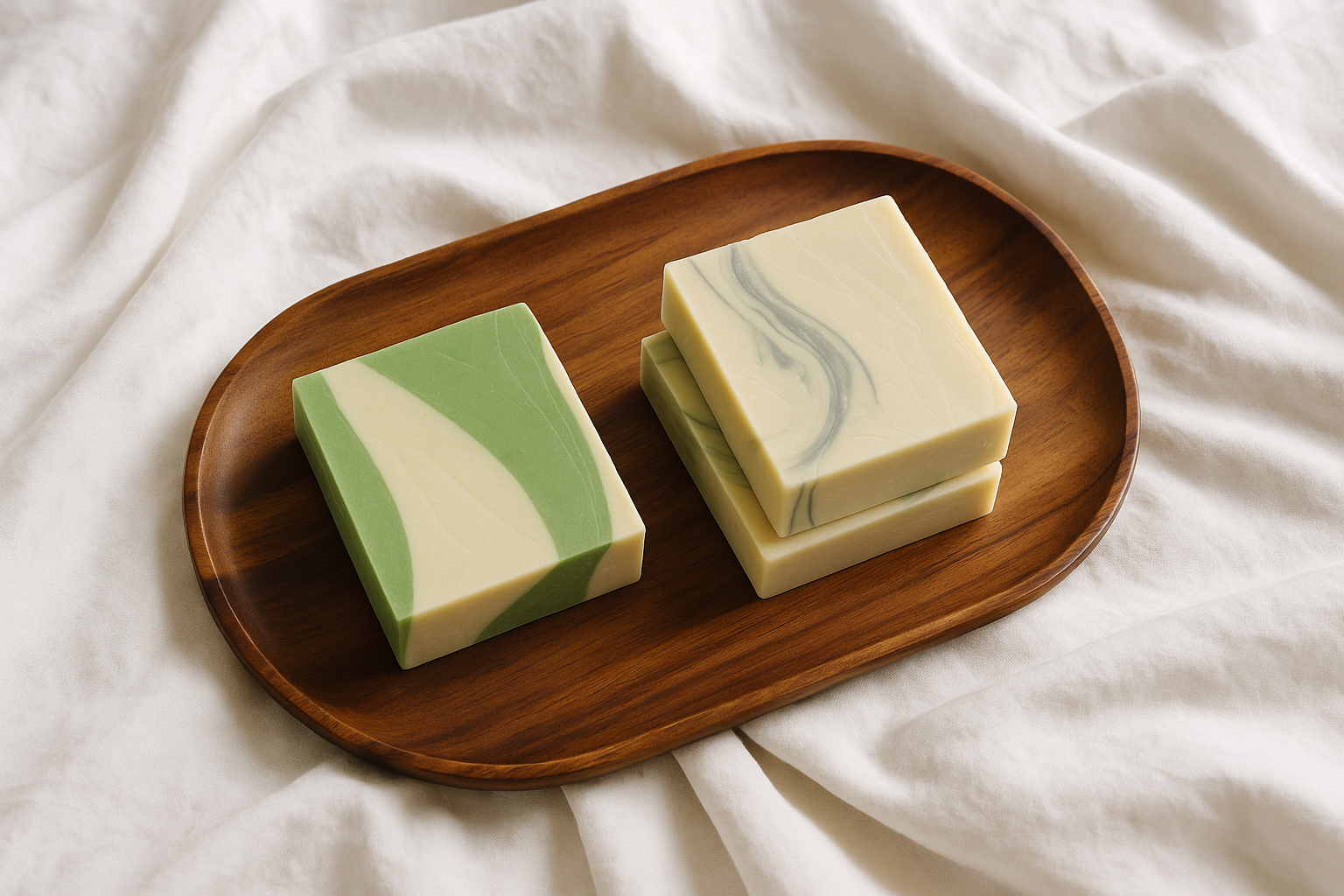
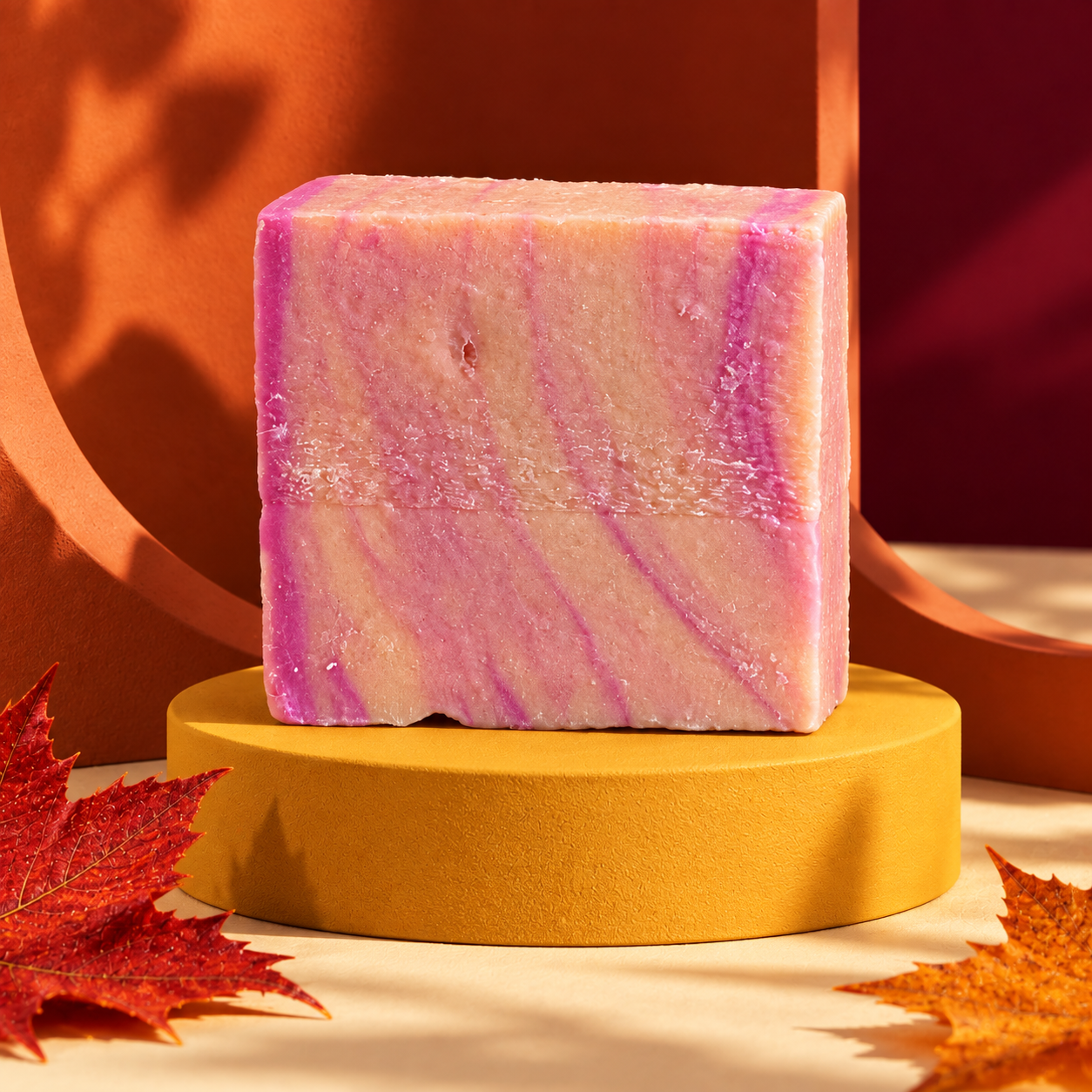
Bar or bottle? We break down what's actually in each, whether sharing a bar is sanitary, which one lasts longer, and how to switch.
Sodium lauryl sulfate is in a huge number of body washes and shampoos. Here's what it is, why companies use it, and why some skin does better without it.
Cold air outside, dry heat inside and long hot showers are a recipe for itchy winter skin. Here are eight simple changes that help.
People love goat milk soap for dry skin, but what does the milk actually do? A soap maker on an Idaho goat farm explains what's real and what's hype.
Bar soap gets a bad reputation with sensitive skin, but the shape isn't the problem. What's inside is. Here's how to tell a gentle bar from a harsh one.
That tight, squeaky feeling after a shower isn't "clean." It's your skin telling you it lost too much of its natural oil. Here's why it happens and how to fix it.
When we think about skincare, we often picture serums, moisturizers, and cleansers. But achieving healthy, radiant skin goes beyond what we apply topically. In fact, what we put inside our bodies can be just as important as the products we use on the outside. A well-balanced diet plays a crucial role in maintaining skin health, helping to reduce inflammation, protect against signs of aging, and boost your natural glow.
One of the standout features of oil cleansing is its potent anti-aging benefits. By dissolving makeup and impurities while maintaining skin's natural moisture balance, it helps to keep signs of aging at bay, leaving your complexion refreshed and youthful
Picture this: embarking on a kitchen adventure that's not just about what you eat but holds the secret to unlocking that Insta-worthy radiance! We've all heard the age-old saying "you are what you eat," but what if your diet could be the key player in your skincare routine? Get ready to dive into the delicious details because we're about to unveil how the foods you choose can be the real MVPs of your skincare game. Buckle up for a beauty journey that goes beyond skin-deep!
The signs of aging are a natural part of life, but they can be frustrating and cause low self-esteem. Wrinkles, fine lines, dark spots, and sagging skin are just a few of the telltale signs that time is marching on. Fortunately, there are things you can do to fight the signs of aging and keep your skin looking youthful and radiant. Here are some tips to get you started.
Store-bought soaps can be a double-edged sword for those with acne-prone skin. While they may seem like a convenient and inexpensive solution for cleaning your skin, they can actually make your acne problems worse. Here's why:

Acne is a common skin condition that affects people of all ages. It occurs when hair follicles become clogged with oil and dead skin cells, resulting in the formation of pimples, blackheads, whiteheads, and cysts. While acne is often associated with puberty, it can persist into adulthood and have a significant impact on a person's self-esteem and quality of life.

There are several factors that contribute to the development of acne,
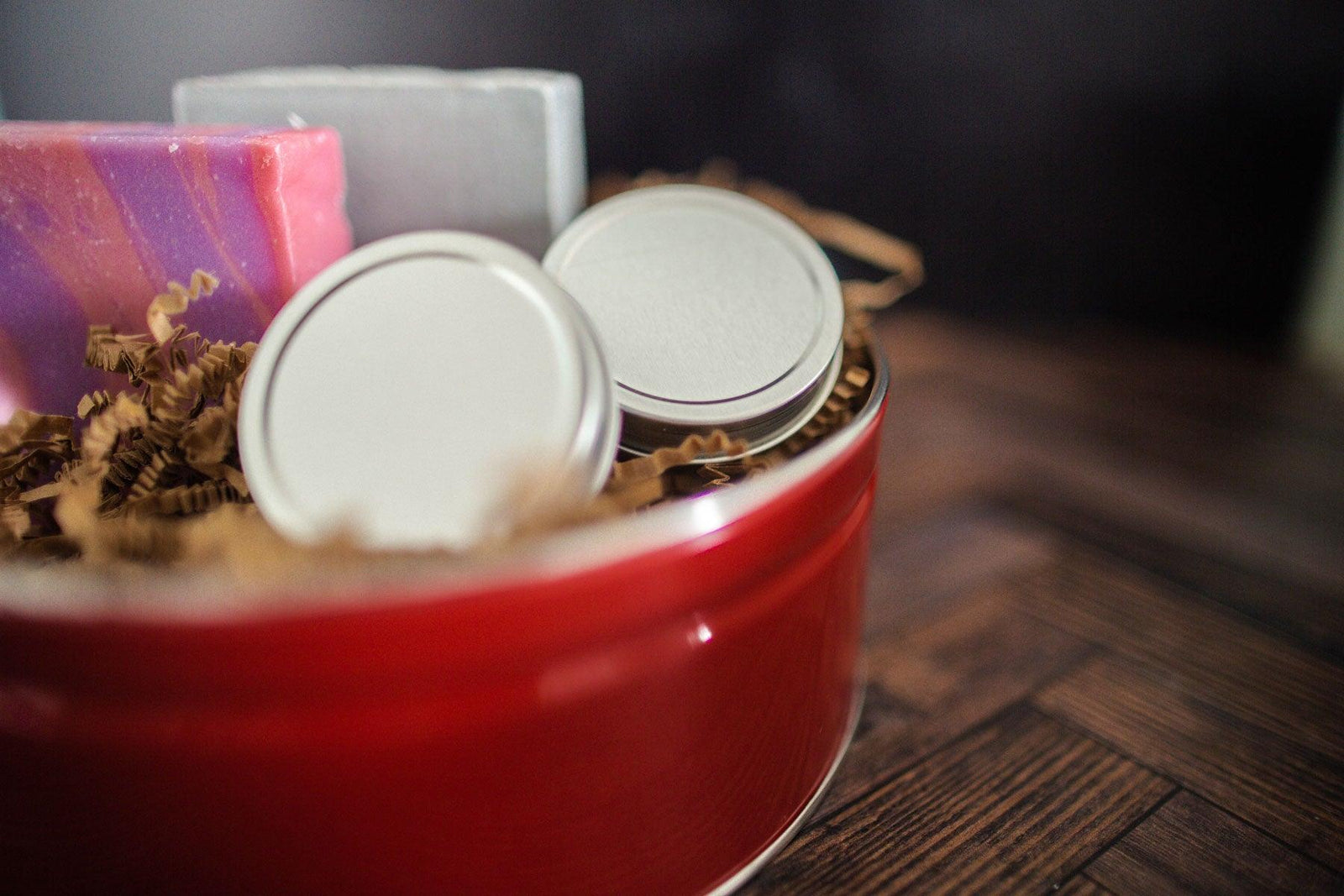
Harsh chemicals in soaps can be damaging to your skin, causing a range of skin problems such as dryness, irritation, and even breakouts. While many people believe that strong soaps are necessary for effective cleansing, the truth is that these harsh chemicals can strip the skin of its natural oils and disrupt its delicate balance.

The Camellia flower has been used for centuries in traditional skincare practices, and it is now gaining recognition as a key ingredient for younger looking skin. This flower, which is native to Asia and widely cultivated in Japan, has been touted for its anti-aging benefits, and it is quickly becoming a staple in modern skincare routines.
Celebrities are known for their beauty and style, and many of them, from Emma Stone, to Julia Roberts, have turned to using olive oil as a skincare solution. Olive oil is a natural product that has been used for centuries for its health and beauty benefits, and celebrities are now using it to keep their skin looking young, healthy, and glowing.
Goats milk has been gaining popularity as a solution for skin problems due to its natural and nourishing properties. Many people find that switching to goats milk products can improve the appearance and feel of their skin, resulting in a healthier, glowing complexion. In this article, we will explore the reasons why goats milk might be the answer to your skin problems.

As we age, our skin naturally loses its elasticity and firmness, leading to the development of wrinkles and fine lines. While there are many skincare products available that claim to reduce the signs of aging, some of the best ingredients can be found right in your kitchen. Here are three oils that can help fight the signs of aging and wrinkles:
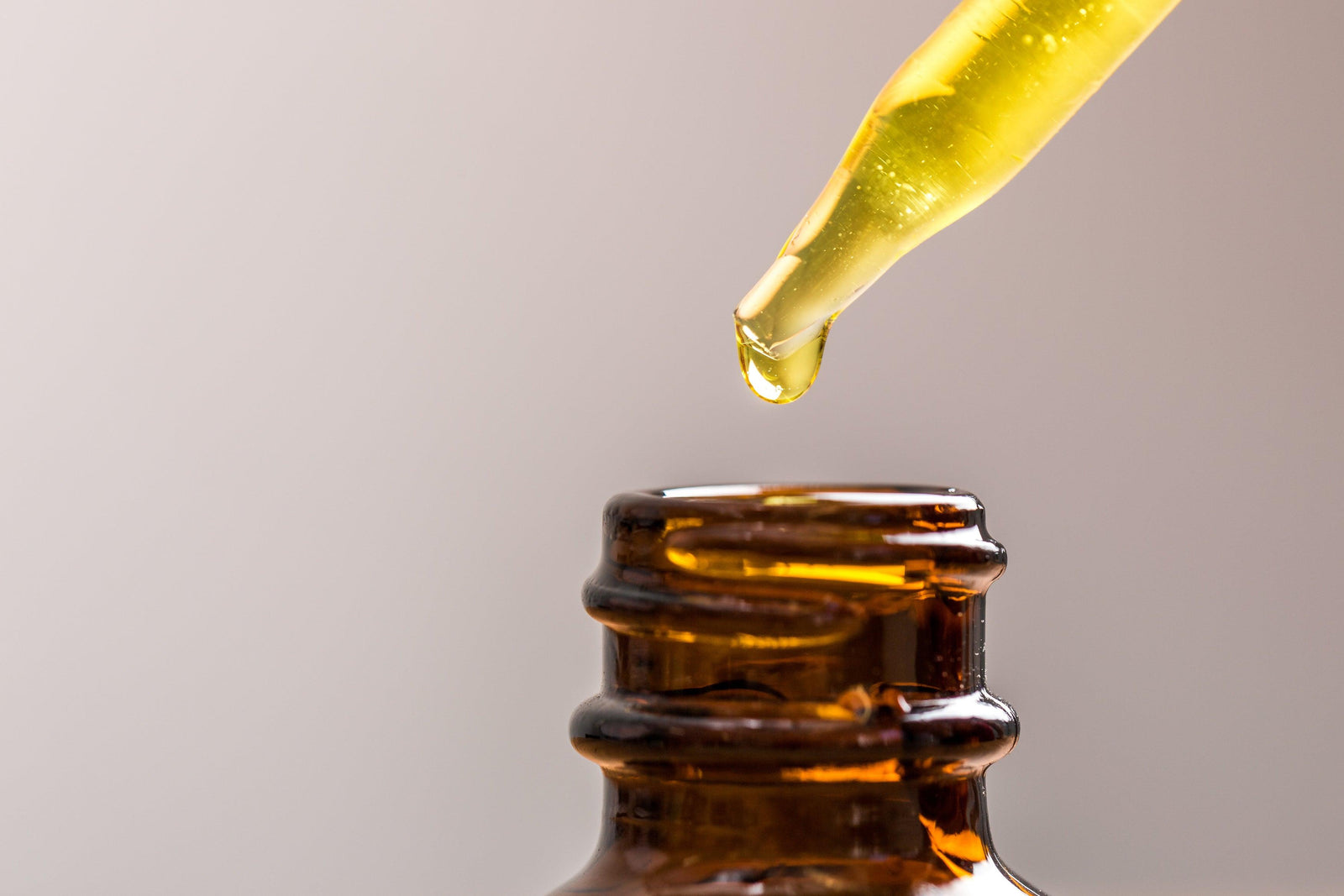
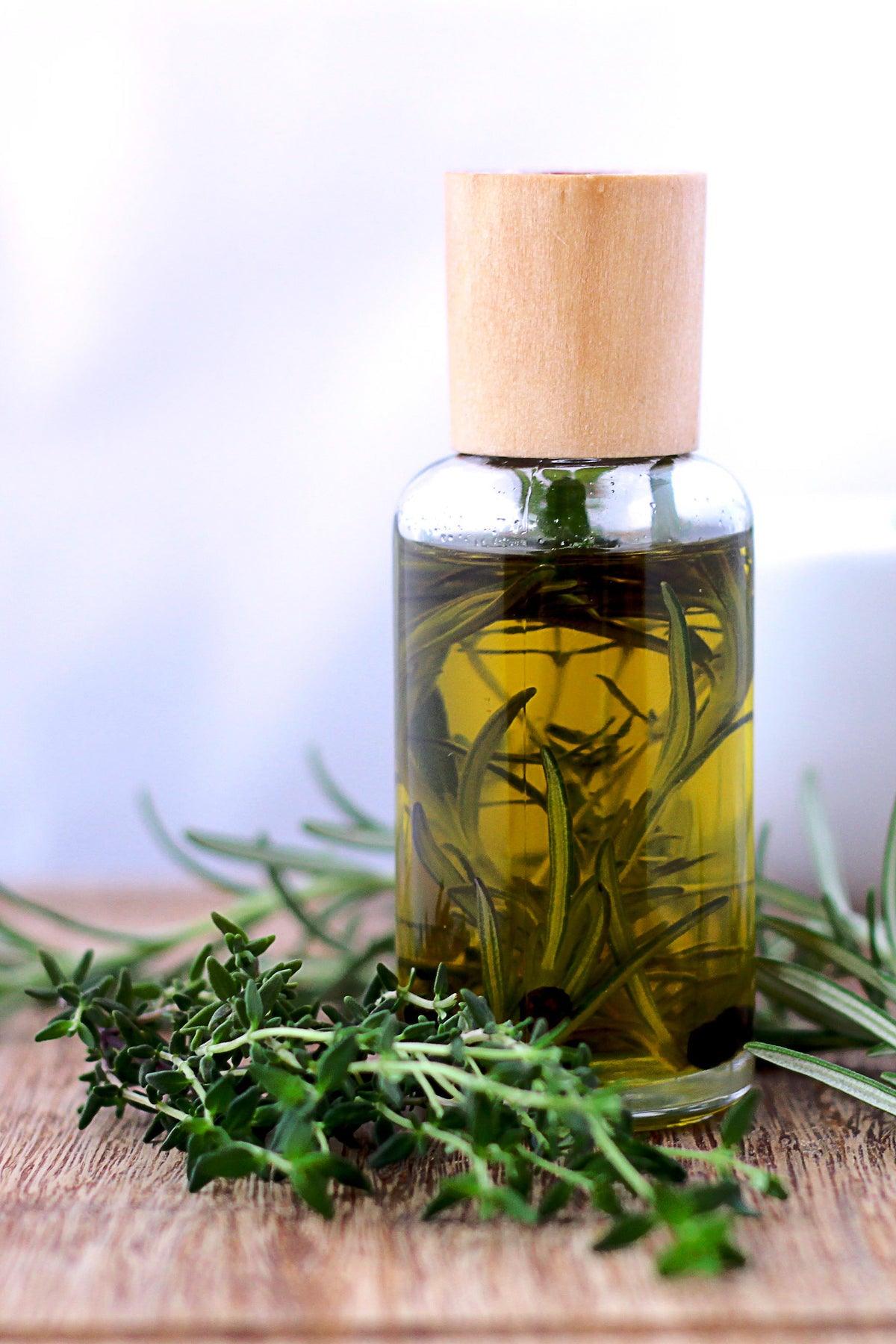
Natural oils are a great alternative to traditional skincare products, as they often contain nourishing ingredients that help keep the skin healthy. Here are five natural oils that can help fight various skin conditions:
logo-paypal paypal